Miran Adama: Celebrating Joy in the Ethiopian Music Scene
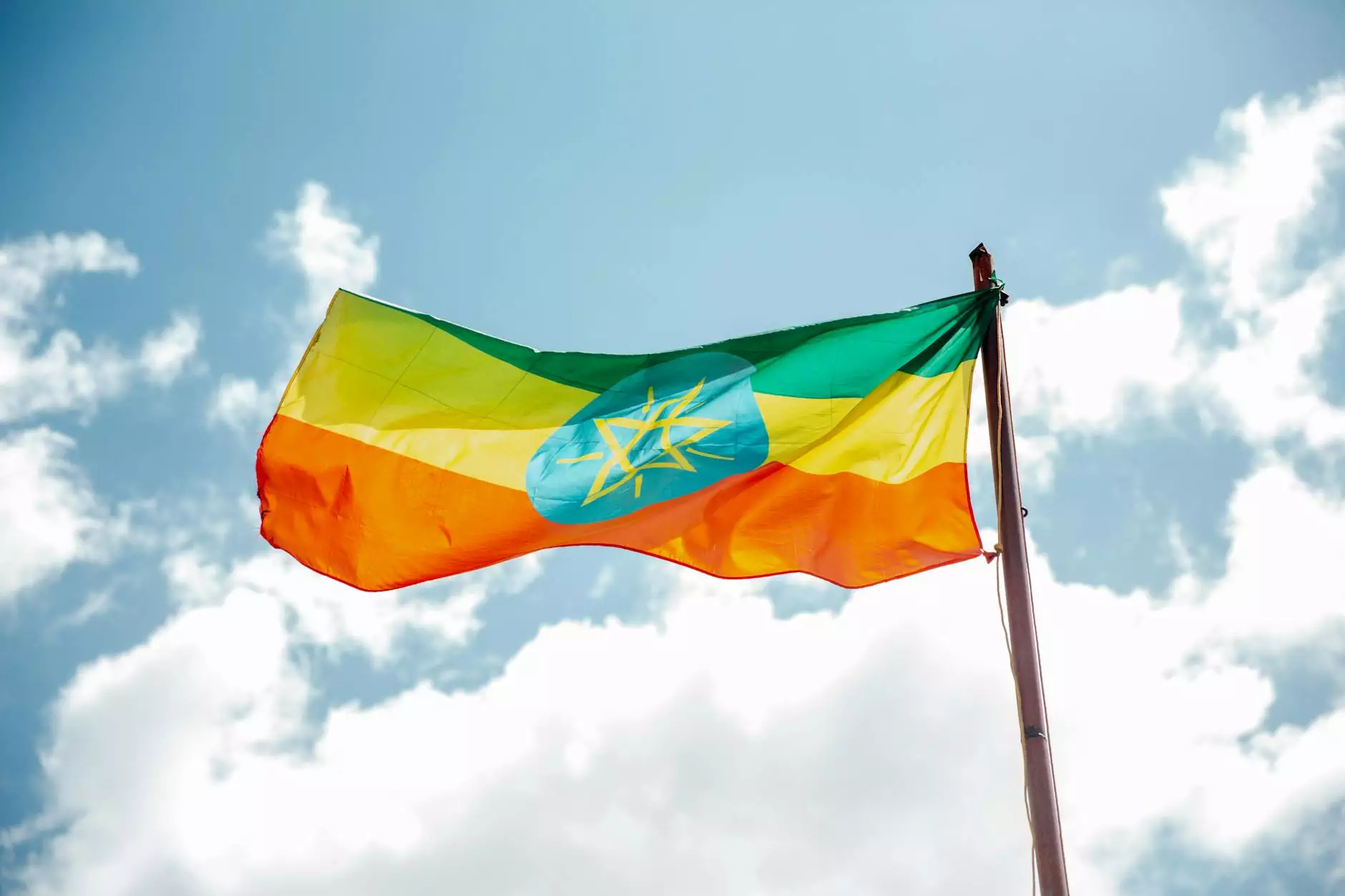
Miran adama is a profound phrase in the Amharic language, rich in cultural significance, representing a theme of joy and humanity. As we delve into the vibrant world of Ethiopian music, we uncover not just the traditions and the performers but the intrinsic connection between happiness and human expression through art. This article highlights how the concept of miran adama resonates within Ethiopian society and the music scene, illustrating a unique blend of cultural heritage and modern artistry.
The Essence of Miran Adama
The harmony of miran (happiness) and adama (human) encapsulates a vital aspect of Ethiopian life. In a country rich with history and diverse cultures, this phrase reflects the aspirations of its people to embrace joyfulness amidst challenges. Music serves as a universal language, providing a powerful medium for expressing emotions and shaping communities.
Cultural Significance of Happiness in Ethiopian Music
In Ethiopia, music is more than entertainment; it is a vital connector of people, cultures, and histories. The embodiment of miran adama in music is visible in traditional songs, modern performances, and festivals across the nation. Musicians often draw inspiration from their experiences and surroundings, channeling happiness and pain into their melodies. This authenticity is what attracts audiences both locally and globally.
The Role of Musicians in Fostering Joy
Musicians are the heart of Ethiopia's cultural expression. Through their lyrics and performances, they tell stories that resonate with the common person's experience. Each note strummed on a krar, each beat crafted on a traditional drum signifies a celebration of life and the pursuit of happiness.
Prominent Ethiopian Musicians Who Exemplify Miran Adama
- Aster Aweke - Known as the "Lady of Ethiopian Music," Aster’s songs encapsulate deep emotional connections and themes of joy, familial love, and social issues.
- Mahmoud Ahmed - His soulful voice and compelling narratives bring the essence of Ethiopian culture to life, allowing listeners to experience the joy of collective memory.
- Tsehaytu Beraki - A legendary figure in Ethiopian music, Tsehaytu integrates traditional sounds with contemporary rhythms, spreading happiness through her vibrant performances.
These artists not only bring joy to their audiences but also create platforms for social dialogue and expressions of love and community, embodying the true spirit of miran adama.
Music Venues: Spaces That Nurture Happiness
The venues where music is performed play a crucial role in fostering a sense of community and joy. In Ethiopia, music venues vary from small coffee houses to large open-air concerts, each offering unique spatial experiences that enhance the enjoyment of music.
Popular Music Venues in Ethiopia
- Blue Mosque - A cultural landmark in Addis Ababa, this venue is known for its vibrant music nights, blending spirituality and joy through performances.
- Addis Ababa Cultural Center - Hosting various events, this center brings together musicians and artists, encouraging a sense of community and shared happiness.
- Hilton Addis Ababa - Known for hosting international acts, this venue showcases both local talents and those from abroad, creating a melting pot of cultures and joy.
These venues serve as communal hubs where the essence of miran adama flourishes, bringing together diverse audiences in celebration of life and art.
The Intersection of Modernity and Tradition in Ethiopian Music
As global influences permeate Ethiopian society, the music scene is witnessing a vibrant fusion of traditional and modern styles. This intersection produces a unique musical landscape where the joy of miran adama is continually redefined and revitalized.
Emerging Genres and Their Influence
Genres such as Ethio-jazz, hip-hop, and pop are emerging as modern expressions that still retain elements of traditional sounds. This evolution showcases how contemporary Ethiopian musicians are embracing their roots while exploring new pathways of expression. The joy of miran adama is vividly experienced through these genres, as artists cultivate their identities in a globalized world.
The Impact of Technology on Ethiopian Music
With the rise of digital platforms, Ethiopian music has gained unprecedented visibility. Musicians can now share their art globally, spreading the message of happiness wrapped in their melodies. Streaming services and social media platforms enable artists to connect with their audiences, fostering a new era of joy as Ethiopian sounds reach every corner of the globe.
Community and Festivals: Celebrating Miran Adama Together
Festivals in Ethiopia are celebrations of culture, tradition, and most importantly, joy. They create opportunities for communities to come together, embodying the spirit of miran adama.
Notable Festivals Celebrating Music and Joy
- Enkutatash - The Ethiopian New Year is celebrated with music and dance, marking a time of renewed hope and happiness.
- Timkat - The Epiphany celebration features vibrant music and dances, engaging the community in a collective expression of joy.
- Gurage Cultural Festival - Showcasing the diverse cultural heritage of the Gurage people, this festival is a vibrant celebration of music, showcasing traditional and modern performances that epitomize joy.
Through these festivals, miran adama is alive with the beats of drums, the sounds of laughter, and the rhythms of dance, signifying a collective embrace of happiness and culture.
Conclusion: The Joy of Miran Adama in Music
The concept of miran adama transcends simple joy; it is about the celebration of life, community, and the human spirit. Ethiopian music, rich in history and cultural significance, exemplifies how artistry captures the essence of happiness through shared experiences. As musicians and venues continue to celebrate life through music, they forge a powerful connection that unites people across generations. Together, they embody the spirit of miran adama—it is a reminder of what it means to be human, to feel joy, and to connect deeply with one another through the universal language of music.