Understanding the Role of a Thoracic Surgery Specialist
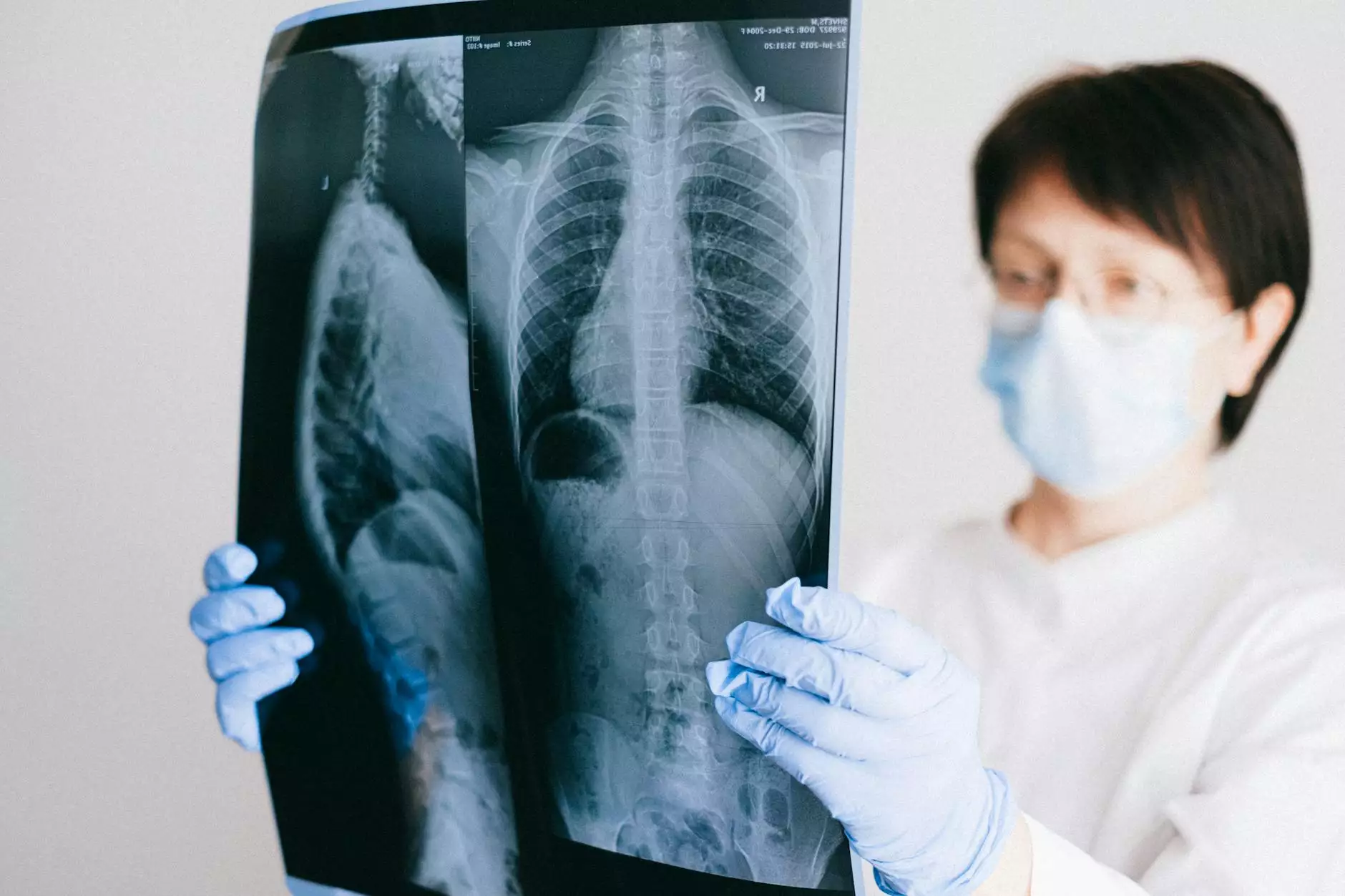
When it comes to healthcare, thoracic surgery specialists play a vital role in treating complex diseases and conditions affecting the chest area, particularly the heart, lungs, and other vital structures. These highly trained professionals are essential in managing various health issues, from cancer to congenital abnormalities.
What is Thoracic Surgery?
Thoracic surgery is a surgical field that focuses on organs within the thorax (the chest). It encompasses various surgical procedures aimed at treating conditions related to the lungs, heart, esophagus, and mediastinum. As a specialized area of medicine, thoracic surgery requires comprehensive training and expertise.
The Importance of Thoracic Surgery Specialists
A thoracic surgery specialist is dedicated to diagnosing and treating diseases of the chest. Their work not only involves surgical procedures but also provides crucial care before and after surgery to ensure optimal outcomes for patients.
- Expertise in Surgical Techniques: They are trained in both traditional open surgery and minimally invasive techniques such as video-assisted thoracoscopic surgery (VATS).
- Comprehensive Patient Care: In addition to performing surgeries, these specialists also manage the patient's overall treatment plan, often collaborating with other healthcare providers.
- Advanced Diagnostic Abilities: They are skilled in utilizing imaging studies, such as CT scans and MRIs, to accurately assess and diagnose thoracic conditions.
Common Conditions Treated by Thoracic Surgery Specialists
Thoracic surgery specialists treat a variety of conditions, which can include:
- Lung Cancer: Early detection and surgical intervention can significantly improve patient outcomes.
- Esophageal Cancer: Surgical procedures are crucial for treating malignancies within the esophagus, often followed by targeted therapies.
- Emphysema and COPD: For patients with severe lung diseases, surgery may be an option to reduce symptoms and improve quality of life.
- Thoracic Aneurysm: Surgical repair of aneurysms can prevent life-threatening complications.
- Pneumothorax: Minimally invasive procedures are often employed to treat collapsed lungs.
The Educational Path to Becoming a Thoracic Surgery Specialist
Becoming a thoracic surgery specialist involves extensive education and training. Here’s an overview of the typical path:
Medical School and Residency
The journey starts with obtaining a medical degree, which generally takes four years. Following medical school, aspiring surgeons enter a residency program in general surgery, which can last an additional five years. During this time, they gain hands-on experience working in various surgical environments.
Fellowship Training
After completing their residency, an additional two to three years of fellowship training specifically in thoracic surgery is required. This training focuses on complex surgical techniques, patient care, and in-depth knowledge of thoracic anatomy.
How Thoracic Surgery Specialists Improve Patient Outcomes
By combining advanced surgical skills with a deep understanding of disease processes, thoracic surgery specialists play a crucial role in improving patient care. Their contributions to each step of the surgical process can lead to:
- Reduced Recovery Times: Minimally invasive techniques often result in shorter hospital stays and faster recoveries.
- Enhanced Quality of Life: Successful surgeries can alleviate symptoms and significantly improve patients' lifestyles.
- Comprehensive Follow-up Care: Ongoing support post-surgery ensures better overall outcomes and management of any potential complications.
Choosing the Right Thoracic Surgery Specialist
Finding the right thoracic surgery specialist is essential for optimal treatment. Patients should consider several factors:
Qualifications and Experience
Research the specialist's credentials, including board certifications, fellowships, and years of experience. Understanding their specific areas of expertise can also provide insight into their capability to manage your condition.
Consultation Approach
Effective communication is key. A good specialist should make you feel comfortable discussing your concerns, and they should actively involve you in the treatment decision-making process.
Advancements in Thoracic Surgery
The field of thoracic surgery is continuously evolving, with new technologies and techniques being developed. Innovations include:
- Robotic Surgery: This technology allows for greater precision and reduced recovery times.
- Immunotherapy: Emerging as a complementary treatment for lung cancer patients.
- Enhanced Imaging Techniques: Advancements in imaging allow for better diagnosis and treatment planning.
Conclusion: The Vital Role of Thoracic Surgery Specialists
In summary, thoracic surgery specialists are critical to the healthcare system, offering specialized knowledge, advanced surgical techniques, and comprehensive care for patients with complex thoracic conditions. Their ongoing commitment to education, patient care, and innovation ensures that they remain at the forefront of medical advancements, ultimately improving patient outcomes and contributing to the field of thoracic medicine.
Contacting a Thoracic Surgery Specialist
If you or someone you know is facing potential thoracic surgery, reaching out to a qualified thoracic surgery specialist is a critical step. Neumark Surgery offers a team of experienced surgeons ready to assist in creating personalized treatment plans designed for your specific needs. Visit our website at neumarksurgery.com for more information or to schedule a consultation today.