Maximizing Value with Cheap Used Stuff: A Comprehensive Guide
In today's economy, many consumers are turning to cheap used stuff as a viable option for their shopping needs. Not only is this trend environmentally friendly, but it also allows individuals to save significant amounts of money while still acquiring quality products. This article delves deep into the realm of used goods, exploring effective strategies for buying them, and highlighting the numerous benefits that such purchases can bring.
The Rise of the Thrift Economy
The past decade has witnessed a remarkable shift in consumer behavior, with a significant rise in shopping for cheap used stuff. This trend has been influenced by various factors:
- Economic Factors: With rising living costs, more people are looking for ways to stretch their budgets.
- Environmental Awareness: As global concerns about waste and sustainability grow, consumers are increasingly seeking alternatives to fast fashion and throwaway culture.
- Technology and Online Platforms: The advent of online marketplaces and apps has made it easier than ever to buy and sell second-hand items.
Understanding the Different Types of Used Goods
When we speak of cheap used stuff, it's essential to understand the variety of categories available. Each type offers unique benefits:
1. Clothing and Accessories
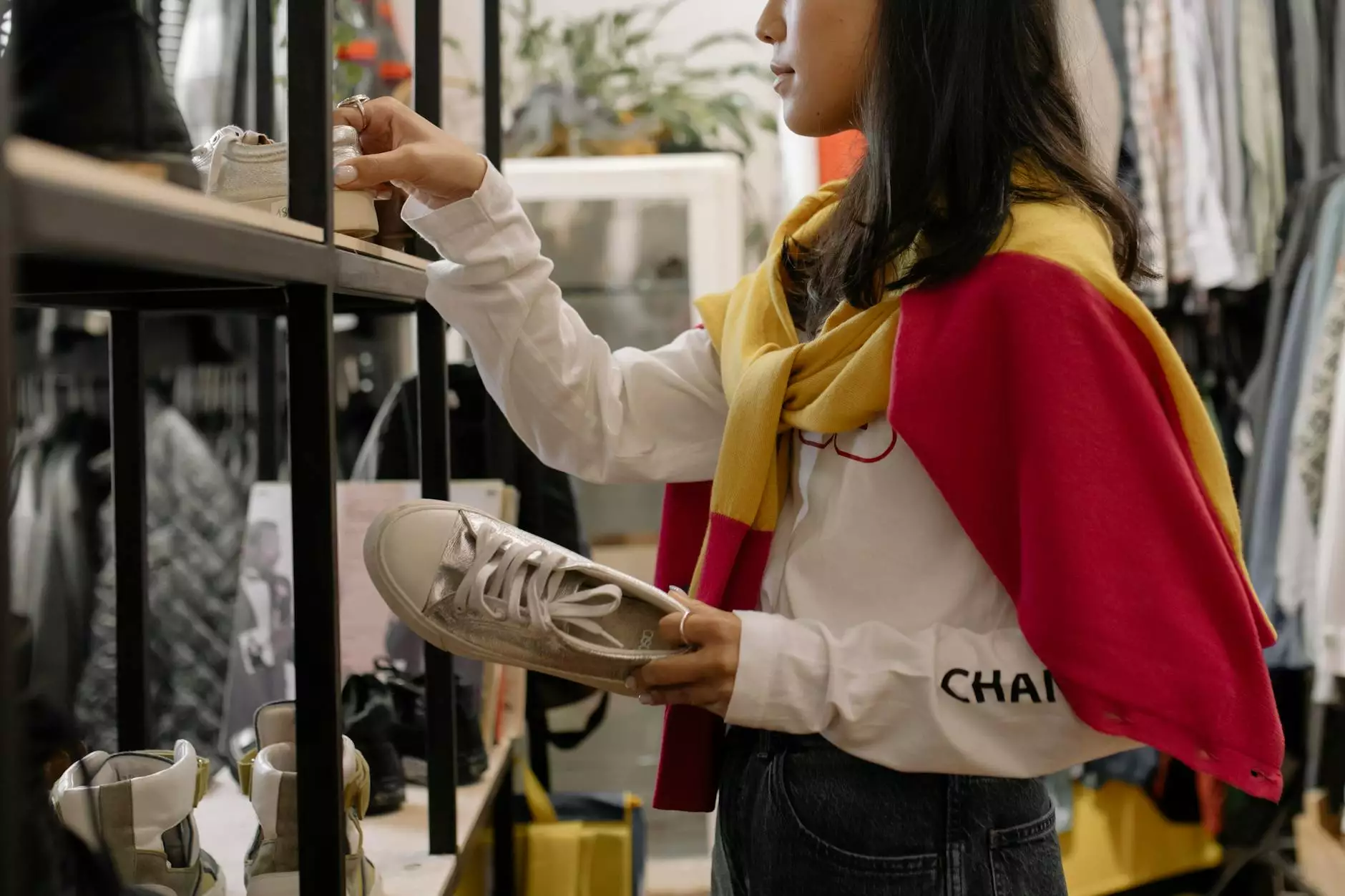
Second-hand clothing is one of the most popular categories for thrift shoppers. Thrift stores, consignment shops, and online platforms like Poshmark and Depop provide a treasure trove of options. Here are some tips for shopping:
- Inspect for quality: Check seams, zippers, and overall condition.
- Look for vintage items: These can often be more valuable than modern counterparts.
- Seasonal shopping: Buy off-season to save even more.
2. Electronics
Purchasing used electronics can be a smart choice, especially for items that depreciate quickly. Consider the following:
- Research brands and models: Ensure you prioritize reliability and performance.
- Check warranties: Some used electronics still carry a manufacturer's warranty.
- Test before buying: Whenever possible, test the device to ensure functionality.
3. Furniture and Home Goods
Used furniture often presents unique styles and significant savings. To make the most of your purchases:
- Measure your space: Ensure that items will fit perfectly in your home.
- Inspect for damage: Look for scratches or damage that may require repair.
- Consider DIY: Small changes can revitalize older pieces and give them new life.
Where to Find Cheap Used Stuff
Finding cheap used stuff requires knowing where to look. Here are some popular places to explore:
1. Thrift Stores
Local thrift stores are goldmines for second-hand goods. They often have low prices and rotate their inventory frequently. Consider visiting multiple times a month for the best finds!
2. Online Marketplaces
Platforms like eBay, Facebook Marketplace, and Craigslist provide expansive listings of used items. Always communicate clearly with sellers and negotiate prices when possible.
3. Garage Sales and Flea Markets
Community garage sales and flea markets can yield incredible deals. Arrive early for the best selection, and don't hesitate to haggle!
Benefits of Buying Cheap Used Stuff
There are numerous advantages to include buying used goods in your shopping habits. Here are some key benefits:
1. Economic Savings
Perhaps the most obvious benefit of purchasing cheap used stuff is the significant cost savings compared to buying new products. This can be especially crucial for large purchases like furniture or appliances.
2. Unique Finds
Buying second-hand means you are less likely to find the same items in every home, allowing for a more personalized and unique aesthetic. Vintage pieces often carry history and character that brand-new items simply cannot replicate.
3. Supporting Local Communities
Many thrift stores support local charities and initiatives. By purchasing used goods, you are not only saving money but also contributing to community welfare.
4. Environmental Impact
Purchasing second-hand items promotes recycling and reduces waste in landfills. By opting for cheap used stuff, you're taking a stand against consumerism and helping to create a more sustainable environment.
Tips for Smart Shopping
To make the most out of your experience buying cheap used stuff, follow these helpful tips:
- Be Patient: Sometimes it takes time to find the right item at the right price.
- Set a Budget: Determine how much you're willing to spend, particularly when visiting multiple shops.
- Network: Join local groups or online communities dedicated to buying and selling used goods for the latest tips and opportunities.
Final Thoughts on Cheap Used Stuff
As consumers increasingly seek to reduce expenses and minimize environmental impacts, cheap used stuff offers a compelling alternative to traditional shopping. Whether for clothing, electronics, or furniture, the second-hand market is brimming with opportunities to find quality items at unbeatable prices.
Incorporating used goods into your shopping routine not only aids in financial savings but also promotes a more sustainable way of living. As you explore this exciting marketplace, remember to stay informed, be patient, and enjoy the thrill of the hunt. Engage with your local community, support charities, and make conscious purchasing decisions that benefit both you and the environment.
Ready to explore the world of cheap used stuff? Visit msexpspzoo.com to start your shopping journey today!