Effective Weevil Control in Stored Grain: Best Practices for Farmers
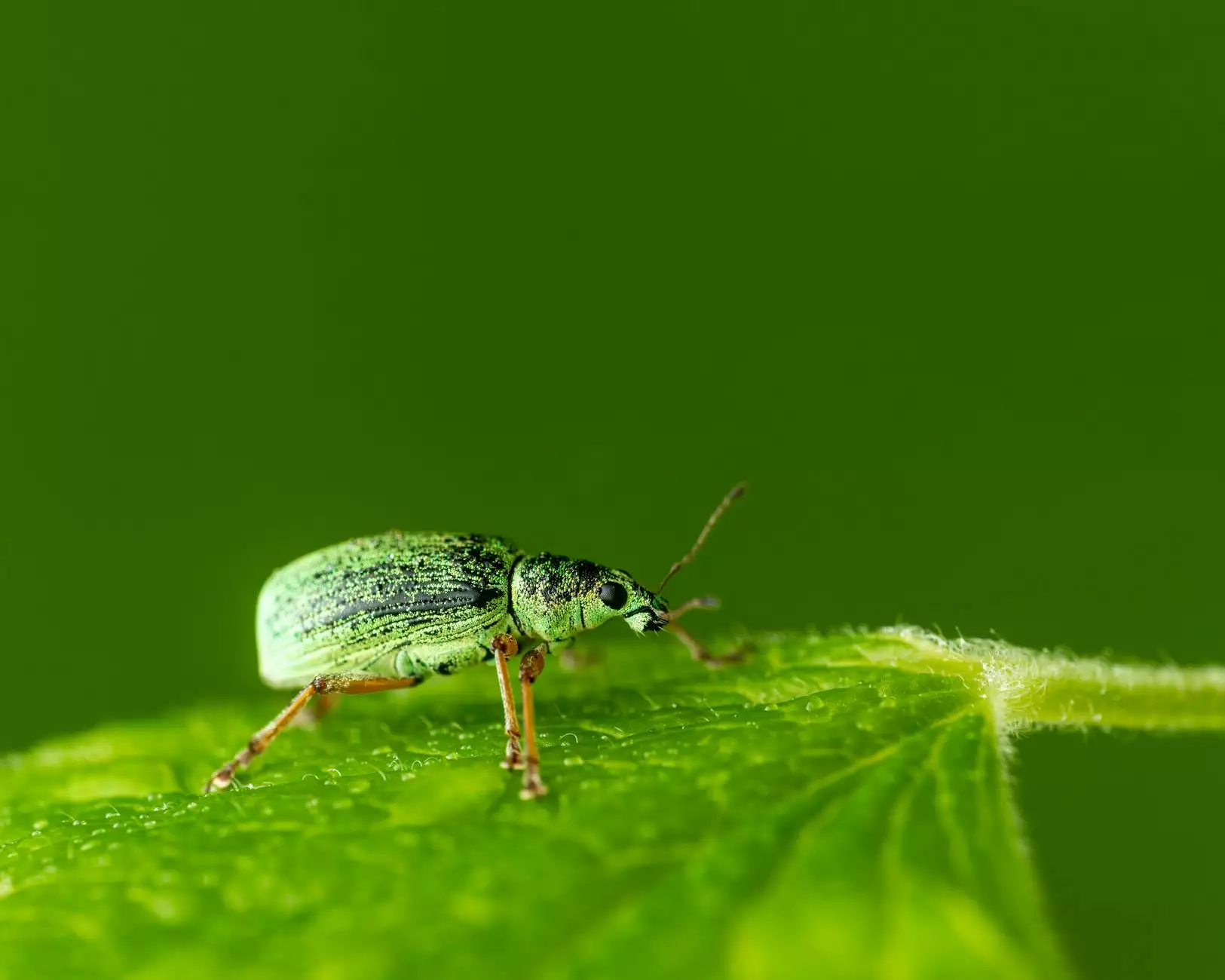
Weevil control in stored grain is a critical concern for farmers aiming to preserve their harvest and ensure quality while maximizing profitability. The impact of weevils can be devastating, leading to severe losses in stored grain products. Thus, understanding how to effectively manage these pests is essential for safeguarding agricultural investments. In this comprehensive guide, we delve into the importance of weevil control, strategies to implement, and the role of farm equipment repair in maintaining effective pest management systems.
Understanding the Weevil Threat
Weevils are tiny beetles that belong to the family of insects known as Curculionidae. Specific species, such as the rice weevil and the wheat weevil, are notorious for infesting stored grains. When stored improperly, grains can become a breeding ground for these pests, resulting in the following issues:
- Decreased Quality: Infestations lead to deterioration in grain quality, affecting taste and nutritional value.
- Economic Loss: Significant financial losses can occur due to reduced marketability and increased waste.
- Contamination: Weevils can introduce pathogens, leading to potential health risks for consumers.
- Increased Management Costs: Controlling an infestation can lead to increased costs in pest management and equipment repairs.
Prevention: The First Line of Defense
The most effective weevil control in stored grain starts with prevention. Implementing the right strategies can dramatically reduce the likelihood of infestation. Here are key practices:
1. Proper Grain Storage Techniques
Ensure humidity and temperature are controlled. The ideal conditions for grain storage require:
- Low Moisture Content: Keep grain moisture levels below 12%. High moisture promotes weevil development.
- Temperature Monitoring: Store grains at temperatures below 60°F (15°C) if possible, to inhibit insect activity.
2. Regular Inspection and Maintenance
Frequent checks for early signs of infestation can help to mitigate problems before they escalate. Key inspection practices include:
- Weekly grain sampling to check for signs of weevil activity.
- Regular cleaning of storage bins to eliminate potential breeding grounds.
3. Use of Effective Storage Containers
Utilizing sealed storage containers can also help prevent weevil access. Consider options like:
- Grain Silos: Ensure all storage solutions provide adequate sealing and protection against pests.
- Bags: Use pest-resistant bags for additional security against infestation.
Active Control Measures: Strategies for Infested Grain
When prevention methods fail, it's crucial to engage in active control strategies. Here are some effective measures to consider:
1. Mechanical Control
Employ mechanical methods as part of your weevil control in stored grain strategy. Options include:
- Vacuuming: Physically removing weevils from storage facilities can be effective, especially in small-scale operations.
- Heat Treatment: Exposing grain to high temperatures (over 120°F) for a specified duration kills weevils effectively.
2. Chemical Control
While there are various chemical fungicides and insecticides available, it’s vital to choose those that are permissible for grain and safe for consumers. Always follow the manufacturer's guidelines and local regulations. Consider the following:
- Grain Protectants: Apply protectants before storage to deter weevils.
- Insect Growth Regulators (IGRs): These can be effective by disrupting weevil life cycles.
3. Biological Control
Exploring biological control options can provide sustainable solutions. Some methods include:
- Natural Predators: Introducing beneficial insects such as parasitoids can help regulate weevil populations.
- Beneficial Microorganisms: Research is ongoing into the use of specific microbes to combat weevil infestations.
Farm Equipment Repair: Ensuring Operational Efficiency
For effective weevil control in stored grain, having the right farm equipment in good condition is crucial. Regular maintenance and repairs of equipment such as grain bins, vacuum systems, and temperature control devices play a pivotal role in pest management. TSGC Inc. specializes in farm equipment repair, ensuring that farmers have reliable machinery for ongoing pest control operations.
1. Importance of Regular Maintenance
Farm equipment should be routinely inspected and repaired as needed. This includes:
- Cleaning Equipment: Dust and debris can harbor weevils, so regular cleaning prevents infestations.
- Calibration of Equipment: Ensure that systems for monitoring temperature and humidity are functional to maintain optimal conditions for grain storage.
2. Upgrading to Modern Technologies
Sometimes, older equipment may not be sufficient for modern pest control standards. Embracing advancements in technology, such as automated monitoring systems, can enhance your farming operations significantly. For instance:
- Implementation of Sensors: Using smart technology to monitor grain conditions can lead to earlier detection of infestations.
- Utilizing Drones: In larger operations, drones can help monitor vast storage facilities more effectively.
Conclusion: A Holistic Approach to Weevil Control
As we have explored, the effective control of weevils in stored grain is multifaceted, requiring a combination of prevention, active control measures, and maintaining efficient operational practices, including farm equipment repairs. By integrating these strategies into your routine, you can safeguard your grain against devastating infestations and ensure a greater return on investment. We encourage all farmers to prioritize weevil control in stored grain as part of their agricultural practices to foster sustainable and profitable farming operations.
For more information on farm equipment repair and sustainable farming practices, visit TSGC Inc..