Lung CT Scan: A Comprehensive Insight into Health and Medical Advancements
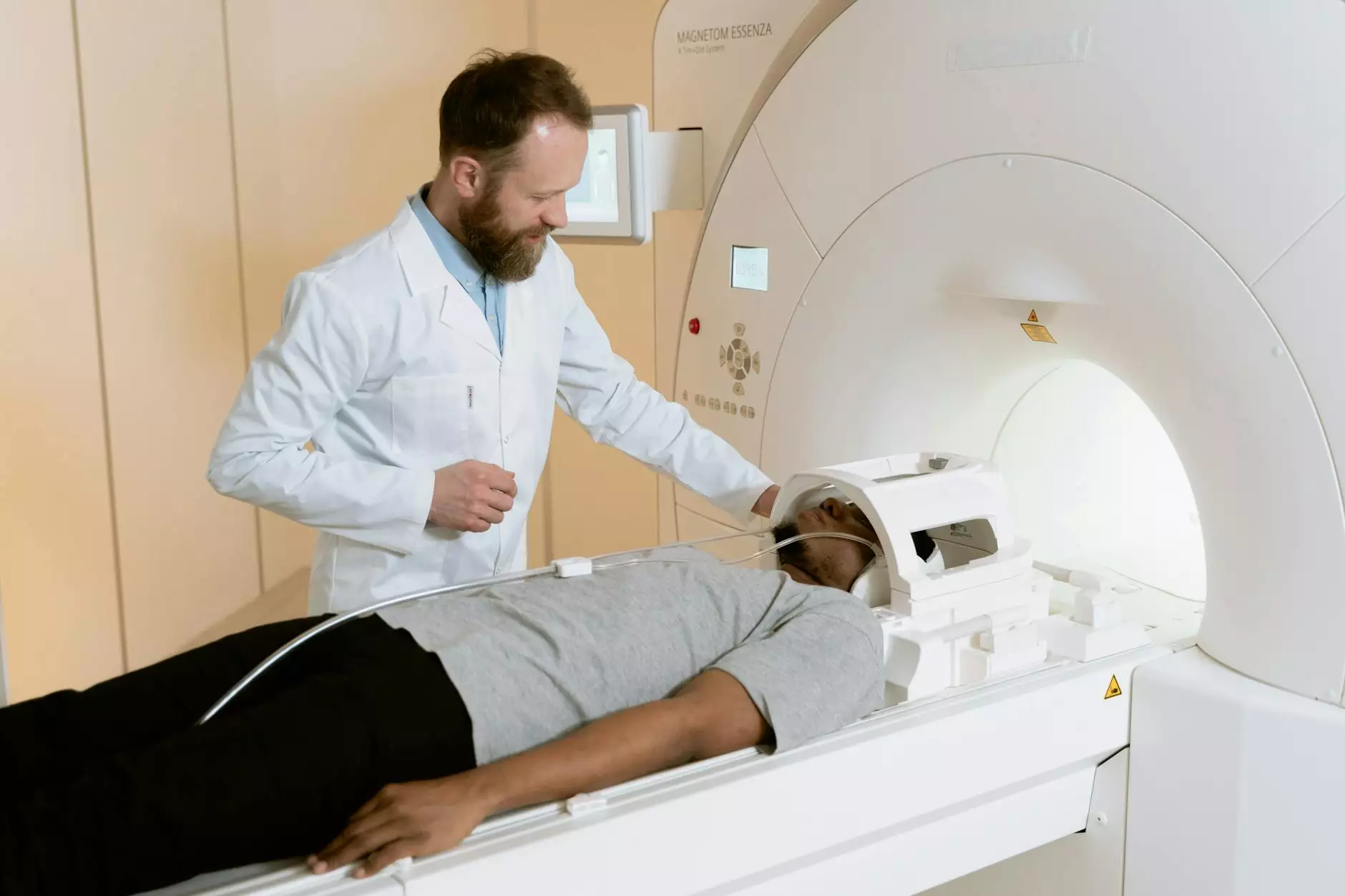
The lung CT scan is an extraordinary diagnostic tool in modern medicine, offering detailed images of the lungs and surrounding structures. This advanced imaging technique plays a vital role in identifying various health issues, particularly those related to respiratory conditions.
What is a Lung CT Scan?
A lung CT scan, or computed tomography scan, provides cross-sectional images of the lungs using X-rays and advanced computer processing. Unlike traditional X-rays, a CT scan reveals a more intricate view, allowing medical professionals to detect abnormal conditions, ranging from infections to tumors. This precision aids in crafting effective treatment plans.
Understanding the Importance of Lung CT Scans
Lung CT scans hold significant importance in the health sector for several reasons:
- Accurate Diagnosis: They facilitate early detection of diseases such as lung cancer, chronic obstructive pulmonary disease (COPD), and pulmonary embolism.
- Image Clarity: The high-resolution images produced allow for a clearer view of the lungs and adjacent structures.
- Non-invasive Procedure: Unlike biopsies, CT scans enable the assessment of lung conditions without the need for invasive procedures.
- Guiding Treatments: Results from lung CT scans can guide physicians in developing targeted treatment strategies, enhancing patient outcomes.
When is a Lung CT Scan Recommended?
Physicians commonly recommend a lung CT scan in the following situations:
- Patients presenting persistent cough or unexplained chest pain.
- Individuals at high risk for lung cancer, especially smokers or those with a family history.
- When additional insights into lung nodules or masses discovered in initial tests are required.
- Monitoring the progression of lung diseases or response to treatment.
The Process of Undergoing a Lung CT Scan
The procedure for a lung CT scan is generally straightforward and quick:
- Preparation: Patients may need to avoid certain medications and inform their doctors about allergies, particularly to contrast materials.
- During the Scan: Patients lie on a table that moves through the CT scanner. They must remain still, and sometimes may need to hold their breath briefly.
- Post-Scan: After the scan, patients can resume normal activities immediately. Results are usually available within a few days.
Interpreting Lung CT Scan Results
Understanding the results of a lung CT scan is crucial:
- Normal Results: Indicates that no significant abnormalities were detected.
- Abnormal Findings: May suggest conditions such as infections, nodules, or malignancies, necessitating further investigation or intervention.
- Follow-Up Actions: Depending on the findings, doctors might recommend additional imaging studies or biopsies to confirm diagnoses.
The Role of Lung CT Scans in Sports Medicine
In the realm of sports medicine, lung CT scans are instrumental, especially when evaluating athletes for respiratory conditions that may affect performance:
- Assessment of Breathing Conditions: Conditions like exercise-induced asthma or other pulmonary issues can be diagnosed effectively.
- Monitoring Recovery: Post-injury, CT scans can help in monitoring lung function and recovery.
- Optimizing Performance: Ensuring athletes have optimal lung function can significantly enhance athletic performance.
Integrating Physical Therapy with Lung Health
Physical therapy has a profound impact on lung health, particularly for individuals recovering from lung conditions diagnosed through CT scans:
- Breathing Exercises: Techniques to improve lung capacity and efficiency.
- Endurance Training: Tailored programs to enhance overall physical fitness, which positively impacts lung health.
- Education: Providing patients with knowledge about managing their conditions and the importance of maintaining lung health.
Potential Risks and Considerations of Lung CT Scans
While lung CT scans are beneficial, they do come with certain risks that patients should be aware of:
- Radiation Exposure: CT scans involve exposure to radiation; however, the benefits often outweigh the risks in necessary cases.
- Contrast Reactions: Some patients may have allergic reactions to contrast materials used in certain CT scans, highlighting the importance of full disclosure of medical history to healthcare providers.
- False Positives: Occasionally, scans may indicate abnormalities that aren't present, leading to unnecessary stress and additional tests.
Conclusion: The Future of Lung CT Scans
The landscape of lung imaging continues to evolve with advances in technology, enhancing the capabilities of lung CT scans. Innovations such as lower-dose scans and artificial intelligence integration promise to improve diagnostic accuracy and patient safety.
In a world where respiratory conditions are becoming increasingly prevalent, understanding the significance and applications of lung CT scans is paramount. Integrated with physical therapy and advancements in sports medicine, these scans are vital to the early detection and efficient management of lung health.
Explore more about lung health and how our services at Hello Physio can aid in your journey toward optimal well-being. Our dedicated team is here to assist you in navigating your health concerns effectively.