The Allure of Italian Furniture: A Comprehensive Overview
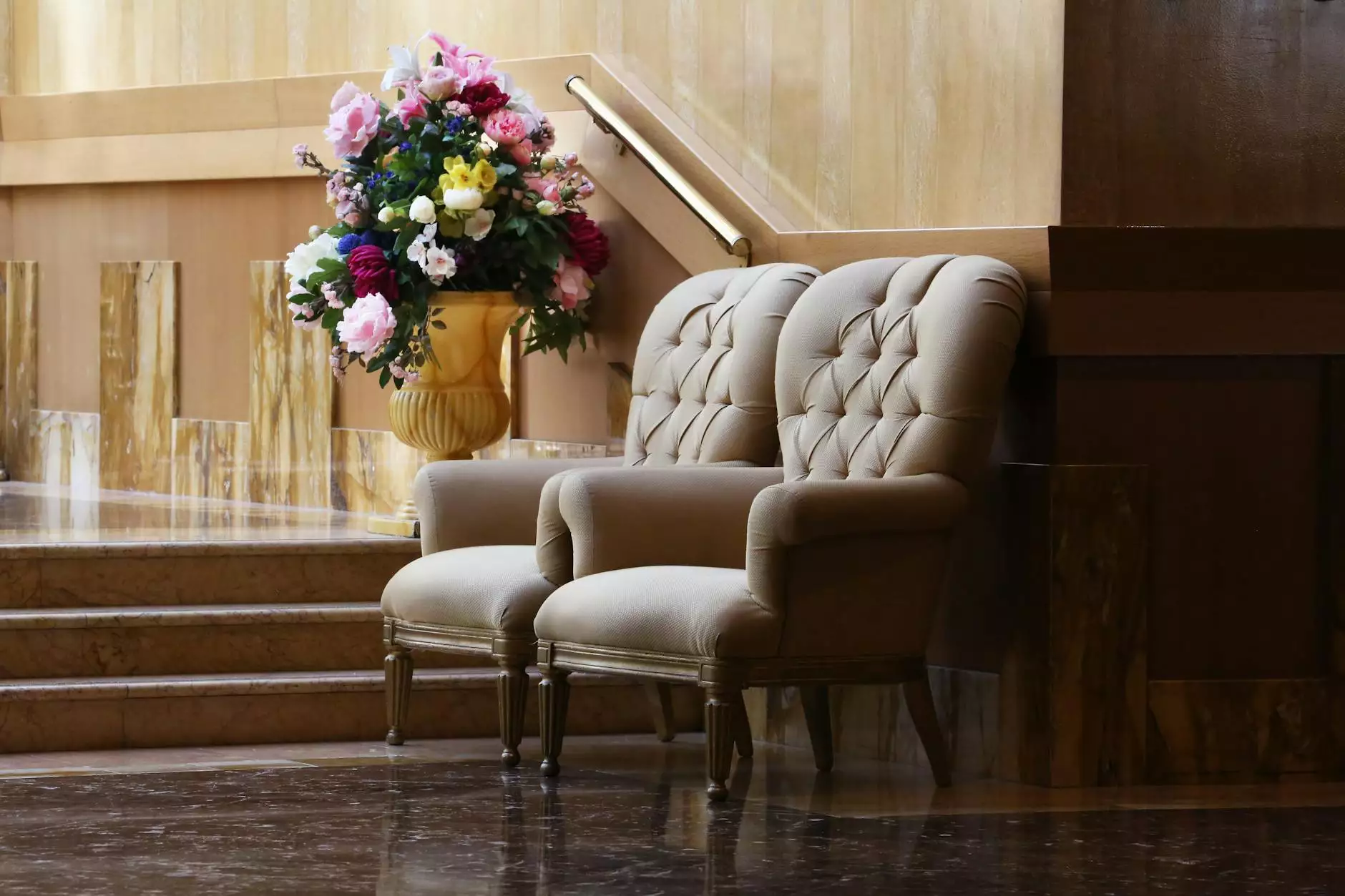
In a world where style meets functionality, Italian furniture stands out as a beacon of elegance and craftsmanship. This article delves deep into the intricacies of Italian furniture, exploring its historical roots, design principles, and the unique charm it brings to any space. From ancient Roman influences to contemporary minimalist designs, Italian furniture serves as a testament to the rich heritage of Italy, marked by creativity, innovation, and superior quality.
The Historical Significance of Italian Furniture
Italian furniture has a storied history that reflects the cultural shifts and artistic movements of the nation. Originating in the days of the Roman Empire, the design and manufacturing of furniture in Italy evolved significantly over the centuries.
Roman Influence
The luxurious lifestyles of the Ancient Romans laid the foundation for furniture design in Italy. Pieces were crafted from high-quality materials like marble and hardwood, often featuring intricate carvings and gilding. Roman furniture was designed not only for utility but also for aesthetic pleasure, setting a precedent that resonates through the centuries.
The Renaissance Era
During the Renaissance, Italian furniture reached new heights of sophistication. Design also shifted to emphasize symmetry and proportion, embodying the principles of classical architecture. At this time, renowned artisans began to collaborate with architects to design furniture that was both functional and artistically significant. Notable styles that emerged during this period include:
- Baroque: Characterized by bold shapes, opulent materials, and dramatic contrasts.
- Rococo: Emphasized ornate decoration, curves, and intricate patterns.
- Neoclassical: Inspired by ancient Greece and Rome, focusing on simplicity and elegance.
Design Principles of Italian Furniture
Italian furniture is more than just aesthetic appeal; it embodies a set of design principles that emphasize harmony, balance, and tradition. Understanding these principles can help anyone appreciate the craftsmanship inherent in every piece.
Quality Craftsmanship
The hallmark of Italian furniture is its unrivaled craftsmanship. Each piece is typically handmade by skilled artisans who dedicate their lives to mastering the craft. The emphasis on quality materials, such as fine woods, leather, and metals, ensures that Italian furniture not only looks stunning but is also durable.
Timeless Aesthetics
Italian furniture tends to follow timeless styles rather than fleeting trends. This is because the designs are rooted in cultural traditions and influenced by art and architecture. Simplicity, elegance, and functionality blend seamlessly in every piece, ensuring that they remain in vogue across generations.
Innovative Designs
While Italian furniture draws heavily on its historical roots, modern designers push the boundaries of creativity. Innovators like Giorgetto Giugiaro and Patricia Urquiola have introduced fresh ideas, integrating sustainability and eco-friendly materials into their designs while maintaining a distinct Italian flair.
Popular Styles of Italian Furniture
Diving deeper into Italian furniture, we discover various styles that cater to different tastes and preferences. Each style tells a story, reflecting cultural values and aesthetic principles.
Modern Italian Furniture
Modern Italian furniture is characterized by clean lines and minimalistic design. Influenced by contemporary art and architecture, it often integrates functionality with a chic aesthetic. Key elements include:
- Open Spaces: Furniture is designed to create a feeling of spaciousness.
- Neutral Color Palettes: This style emphasizes sophistication through understated hues.
- Multifunctional Pieces: Furniture that serves more than one purpose is common.
Classic Italian Furniture
In contrast, Classic Italian furniture showcases ornate designs and rich details. This style often features:
- Intricate Carvings: Many pieces are adorned with detailed craftsmanship.
- Luxurious Fabrics: Often upholstered with fine silks and velvets.
- Rich Colors: Deep hues lend a sense of opulence and grandeur.
Rustic Italian Furniture
Rustic Italian furniture emphasizes natural materials and traditional craftsmanship. Often found in country homes and villas, this style includes:
- Reclaimed Woods: Utilizes aged timbers for an authentic feel.
- Handmade Elements: In many pieces, imperfections tell a story of skilled craftsmanship.
- Warm Color Schemes: Earthy tones create a cozy, inviting atmosphere.
Where to Buy Authentic Italian Furniture
Finding authentic Italian furniture can be an exquisite journey in itself. Several retailers worldwide specialize in importing genuine Italian designs. Local store offerings often include quality selections from renowned Italian brands.
Top Retailers
To make your search easier, here are some well-respected retailers known for their authentic Italian furniture:
- IQMATICS: As an esteemed furniture store, IQMATICS provides a curated selection of quality Italian furniture, ensuring customers can find timeless pieces that fit their aesthetic.
- Scanteak: Specializes in Scandinavian and Italian furniture, known for its quality and design.
- Italian Design: Offers a wide array of luxury furniture, often at higher price points but with a commitment to authenticity and style.
Important Considerations
When purchasing Italian furniture, consider the following:
- Verify Authenticity: Ensure the retailer provides proof of authenticity for premium items.
- Consider Measurements: Italian furniture can come in various styles, and dimensions can vary widely to accommodate different spaces.
- Check Return Policies: Opt for stores that offer favorable return policies in case the purchase doesn't fit your space or aesthetic.
The Future of Italian Furniture Design
The future of Italian furniture remains bright as designers continue to innovate while cherishing traditional craftsmanship. Sustainability and eco-conscious design are at the forefront of contemporary discussions. As more consumers show a preference for environmentally friendly options, the industry responds with materials and methods that reflect these values.
Emerging Trends to Watch
Here are some emerging trends that signify the evolution of the Italian furniture design landscape:
- Eco-Friendly Materials: A shift toward using sustainable resources and cruelty-free products.
- Smart Furniture: The integration of technology within furniture design for enhanced functionality.
- Customization: Offering customers the ability to personalize their pieces to better fit their home aesthetics.
Conclusion
In conclusion, the world of Italian furniture is one steeped in history and rich with tradition. Its unique combination of craftsmanship, innovation, and style has solidified its place in homes around the globe. With a wide array of styles ranging from rustic charm to modern sophistication, Italian furniture continues to inspire and elevate interior spaces. Investing in these timeless pieces not only enhances your living space but also connects you to a tradition of artistry and quality that spans centuries.
As you explore options for furnishing your home, consider the elegance and heritage of Italian furniture. From classic to contemporary, there’s a piece that will resonate with your unique taste and aesthetic sensibilities.