The Importance of Optimal Wheat Storage Temperature for Sustainable Farming
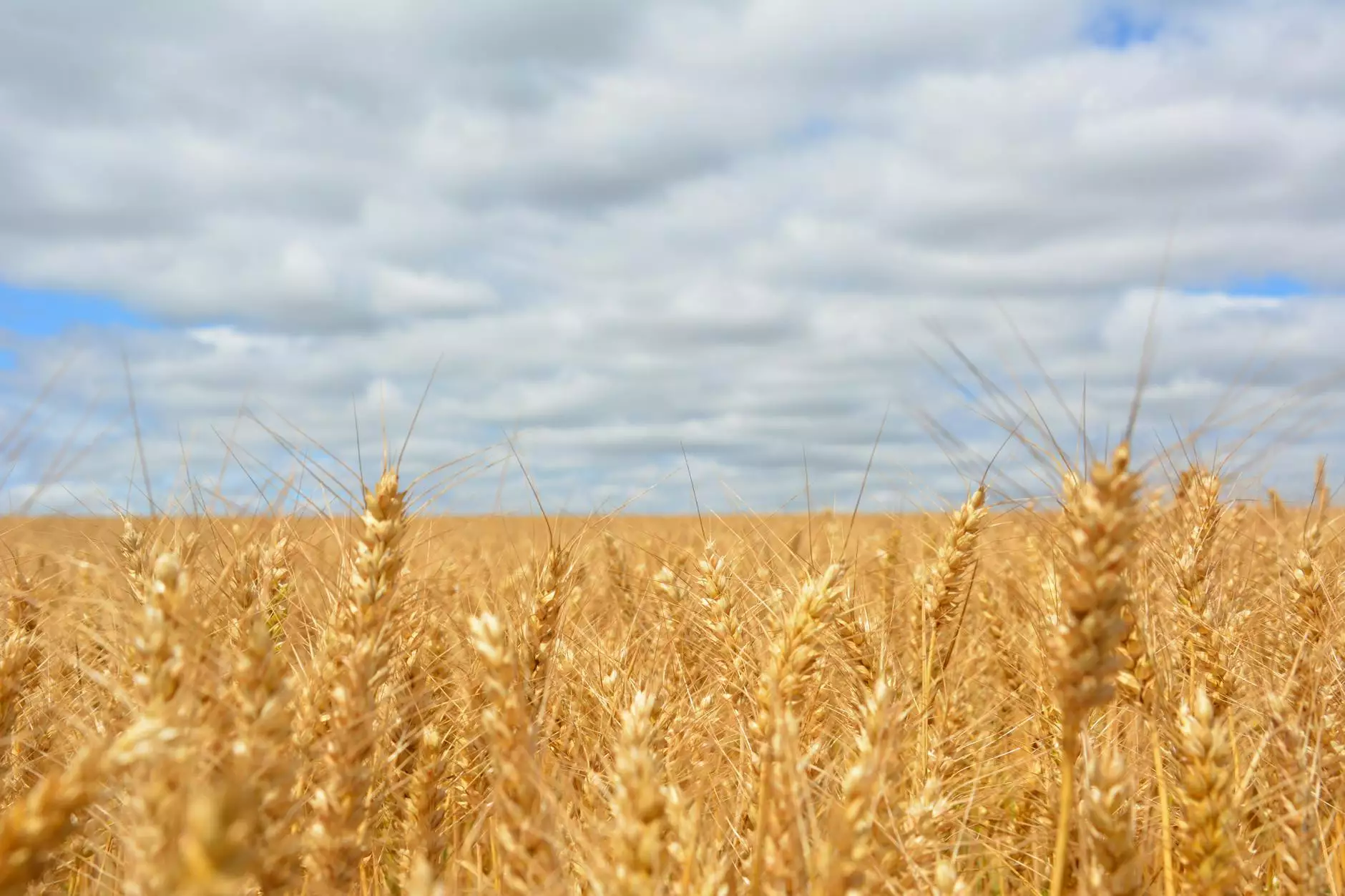
Wheat is one of the most essential cereal crops in the world, serving as a staple food for billions of people. However, the quality of harvested wheat can significantly deteriorate if it is not stored correctly. One of the most critical factors affecting wheat quality during storage is the wheat storage temperature. This article delves into the significance of maintaining the appropriate temperature for wheat storage, the challenges posed by poor storage conditions, and best practices for farmers to ensure the longevity and quality of their grain.
Understanding Wheat and Its Storage Requirements
Wheat, a member of the grass family, is a versatile crop that is cultivated in various climates around the world. Different varieties of wheat have unique storage requirements, but they all share the common need for careful temperature regulation. When discussing wheat storage temperature, it is paramount to understand that temperature has a direct impact on moisture content, pest activity, and overall grain health.
What Is the Ideal Wheat Storage Temperature?
For most wheat varieties, the ideal storage temperature ranges between 50°F and 60°F (10°C - 15°C). Maintaining temperatures within this range is vital to inhibit mold growth and ensure that the grain remains in optimal condition for consumption or future planting. A temperature fluctuation beyond this range can trigger a series of detrimental events, including:
- Increased Moisture Content: High temperatures can lead to moisture accumulation, promoting the growth of fungi and bacteria.
- Pest Infestation: Warmer temperatures can attract pests such as weevils and beetles, which can damage the grain.
- Quality Degradation: Both physical and nutritional qualities of wheat can decline with improper storage temperatures.
Factors Affecting Wheat Storage Temperature
Several factors influence the wheat storage temperature, which include:
- Ambient Temperature: The external temperature of the storage environment plays a crucial role.
- Storage Equipment: The type and condition of storage bins or silos can affect how well temperature is controlled.
- Moisture Levels: Higher moisture levels can raise the temperature within storage containers, creating an unsuitable environment for wheat.
Impact of Improper Storage Temperatures
Failing to maintain proper wheat storage temperature can result in catastrophic losses for farmers. Below are some specific impacts of improper temperature management:
1. Mold and Spoilage
As temperatures rise and moisture levels increase, the risk of mold growth escalates. Moldy wheat can lead to significant financial losses and pose serious health hazards for consumers.
2. Nutritional Degradation
High temperatures can affect the nutritional quality of wheat, reducing protein levels and vital nutrients, which can affect its market value.
3. Economic Losses
Ultimately, failing to monitor and regulate wheat storage temperature can lead to considerable economic losses due to spoilage and decreased grain quality, which can have lasting effects on farmers’ profitability.
Best Practices for Maintaining Ideal Wheat Storage Temperature
To mitigate the risks associated with poor storage, farmers should adopt the following best practices:
1. Use of Temperature Control Systems
Investing in modern temperature control systems can help maintain the ambient temperature within the ideal range. This technology allows for continuous monitoring and makes adjustments as necessary.
2. Regular Inspections
Farmers should conduct regular inspections of storage facilities to ensure that there are no leaks, pest infestations, or other issues that could impact wheat storage temperature.
3. Manage Moisture Content
Keeping moisture content below 13% is crucial for maintaining grain health. Using appropriate drying techniques before storage can alleviate moisture-related problems.
4. Insulate Storage Facilities
Insulating storage facilities can help maintain a stable internal temperature and reduce vulnerability to external temperature fluctuations.
5. Educate Employees
Training personnel on the importance of wheat storage temperature and best practices for monitoring can foster a culture of care and diligence in grain management operations.
Investing in High-Quality Farming Equipment
To effectively manage wheat storage temperature and ensure optimal storage conditions, investing in high-quality farming equipment from reliable sources like TSGC Inc. is essential. The right equipment can not only aid in better storage but also enhance overall farming efficiency.
Types of Essential Farming Equipment
- Grain Bins: Quality grain bins are crucial for effective temperature and moisture control during storage.
- Dryers: Adequate drying equipment helps maintain desired moisture levels in stored wheat.
- Pest Control Devices: Integrated pest management tools can assist in keeping storage facilities free from infestations.
Case Studies Highlighting Successful Wheat Storage Practices
Several farmers have successfully improved their yields and profits by implementing optimal wheat storage temperature strategies. Below are brief case studies that illustrate the profound impact of proper storage techniques.
Case Study 1: Farmer John from Kansas
Farmer John introduced a sophisticated temperature control system in his storage facility. He reported a 20% increase in the quality of his wheat, leading to better market prices and customer satisfaction.
Case Study 2: The Garcia Family in California
The Garcia family invested in insulation and moisture management practices for their grain silos. As a result, they were able to reduce spoilage rates by over 30%, significantly boosting their profitability for the harvest season.
The Role of Technology in Wheat Storage Management
As technology evolves, farmers have access to increasingly sophisticated tools for monitoring and managing wheat storage temperature. The use of IoT devices, automated somatic temperature sensors, and data analytics can provide actionable insights that further enhance the storage process.
Advances in Monitoring Technology
Modern monitoring systems can track temperature and moisture levels in real-time. This capability allows farmers to react swiftly to any changes, ensuring that wheat quality remains uncompromised. Integration of these technologies with farm management software adds another layer of efficiency, allowing farmers to manage their storage facilities from anywhere.
Conclusion
Maintaining the right wheat storage temperature is paramount for preserving the quality and safety of one of the world's most vital crops. By understanding the importance of proper temperature management, investing in quality farming equipment, and adopting best practices, farmers can safeguard their investments and contribute to sustainable farming practices. The insights and techniques discussed here will enable farmers to not only protect their warehouses from spoilage but also thrive in an ever-evolving agricultural landscape.
For assistance with farm equipment repair or to explore the best options for farming equipment, visit TSGC Inc., where we prioritize the needs of farmers and their crops.