Exploring Sera Filesi: A Journey into Sericulture
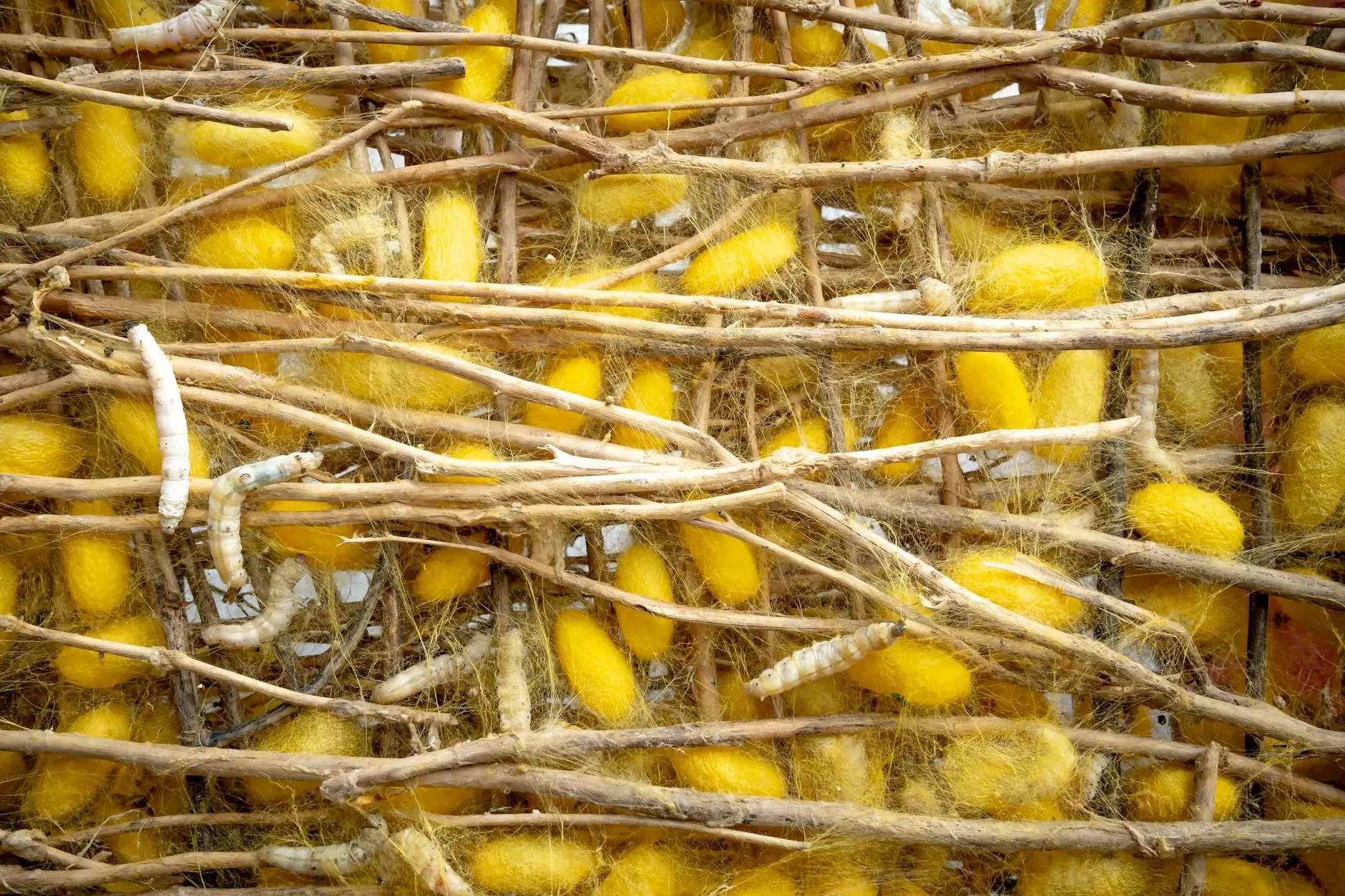
Sera filesi (sericulture) is a fascinating niche that ties together agriculture, textile production, and sustainable practices. As the global demand for quality silk continues to rise, understanding the benefits and practices of sericulture can position businesses effectively in the competitive world of building supplies and beyond. In this extensive article, we will explore the ins and outs of sera filesi, its relevance in today's market, and its potential as a lucrative business venture.
What is Sera Filesi?
Sera filesi, or sericulture, is the cultivation of silkworms primarily for the production of silk. It involves a variety of stages, starting with egg incubation, rearing the larvae, and eventually harvesting the silk cocoons. This process not only contributes to the textile industry but also has economic, cultural, and ecological implications. Countries like China, India, and Brazil are renowned for their sericulture practices, significantly boosting their local economies.
The Economic Importance of Sera Filesi
The contribution of sericulture to the economy is multifaceted:
- Job Creation: The silkworm rearing process provides employment opportunities in rural areas, helping to uplift communities.
- Boost to Local Economies: The sale of raw silk and silk products stimulates local economies, creating a value chain that supports various sectors.
- Export Potential: Countries that excel in sericulture can export high-quality silk, bringing in foreign currency and strengthening trade relations.
Steps Involved in Sera Filesi (Sericulture)
Understanding the steps involved in sericulture helps in grasping its intricacies:
1. Egg Production and Incubation
The process begins with the selection of high-quality silkworm eggs. These eggs are incubated under controlled temperatures and humidity levels to ensure a high hatch rate. Proper incubation techniques are vital for the health of the larvae.
2. Rearing the Larvae
Once the eggs hatch, the larvae, known as caterpillars, are reared on a diet of mulberry leaves. The key factors in this stage include:
- Temperature Control: Maintaining an optimal temperature and humidity is crucial for healthy growth.
- Healthy Diet: The nutrition of the larvae directly influences the quality of the silk produced.
- Space Management: Adequate space must be provided to prevent overcrowding, which can lead to disease outbreaks.
3. Cocoon Formation
Once the larvae mature, they begin to spin cocoons. This phase can take several days and is critical for silk production. Farmers must monitor the cocoons for size and quality, as these factors influence the final product's market value.
4. Harvesting Silk
After the cocoons are formed, they are collected for processing. The silk is unwound from the cocoon, and this delicate process requires skill and precision to ensure minimal damage to the silk threads. The harvested silk can then be treated, dyed, and woven into various fabrics.
Sustainability in Sera Filesi
As sustainability becomes a central theme in global business practices, sericulture offers several eco-friendly advantages:
- Biodegradable Products: Silk is a natural fiber, making it environmentally friendly compared to synthetic alternatives.
- Rural Community Support: By investing in sericulture, businesses can empower local farmers and contribute to sustainable livelihoods.
- Low Carbon Footprint: The sericulture process typically has a lower carbon footprint compared to mass synthetic textile production.
Sera Filesi in the Building Supplies Industry
While sericulture directly relates to soft goods and textiles, its principles can be integrated into the building supplies sector. For example:
1. Sustainable Textiles for Interior Design
Silk produced from sericulture can be utilized in high-end interior design applications, such as upholstery, curtains, and wall coverings. These products not only appeal to environmentally conscious consumers but also add a touch of elegance to any space.
2. Innovative Insulation Materials
Research is ongoing into the use of silk fibers for insulation purposes, potentially creating a market for biodegradable insulation solutions that align with green building practices.
Investing in Sera Filesi: A Business Opportunity
The world of sera filesi presents numerous opportunities for entrepreneurs in various capacities:
- Silkworm Farming: Starting a farm focused on silkworm cultivation can be a rewarding venture.
- Silk Processing Units: Establishing facilities that process raw silk into finished goods adds value and opens several market avenues.
- Education and Training: Offering courses on sericulture practices can contribute to the growth of this sector while establishing a niche for consultancy services.
Challenges in Sera Filesi
Despite its potential, sericulture faces several challenges:
- Market Fluctuations: The silk market can be volatile, affecting prices and demand.
- Diseases and Pests: Silkworms are susceptible to various diseases that can affect yield.
- Investment Requirement: Initial setup costs for silkworm farming and processing can be high.
Conclusion: The Future of Sera Filesi
As the world moves towards sustainable practices, the importance of sera filesi in both the textile and building supplies industries cannot be overstated. Businesses looking to capitalize on this trend should consider investing in sericulture as it offers a semblance of tradition blended with modern eco-consciousness. In the end, investing in sera filesi can yield not only profit but also contribute to sustainable economic growth, community support, and ecological balance.
Call to Action
If you are interested in exploring the beautiful and sustainable world of sera filesi, consider visiting shieldnetstore.com. Discover a wide range of products that support sustainable building and textile practices today!