Understanding the Parts of Hydraulic Excavators
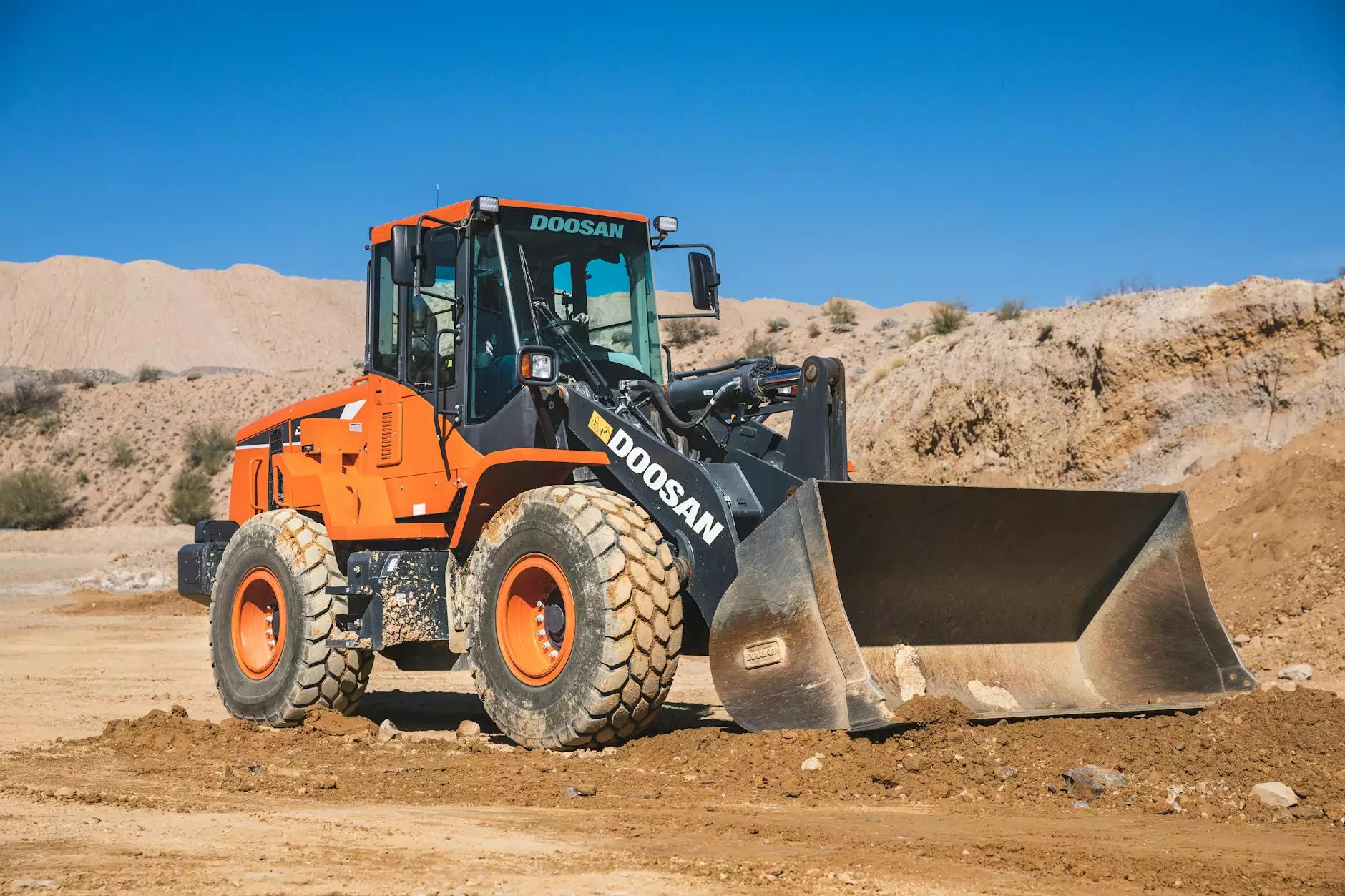
When it comes to heavy machinery, the hydraulic excavator stands out as a powerhouse in construction and mining industries. The effectiveness of these machines largely stems from their intricate design, comprising various parts that work synergistically. This article delves deep into the parts of hydraulic excavator, highlighting their functions and importance in the excavation process, while also linking to relevant products from Shop Hydraulic America.
The Core Components of Hydraulic Excavators
A hydraulic excavator is primarily composed of a house, undercarriage, boom, arm, and bucket. Each of these components plays a vital role in ensuring smooth operation and efficiency. Let's explore these parts in detail:
1. House
The house is the upper structure of the excavator, where most of the key mechanisms are housed. It includes the operator's cabin, the engine, and the hydraulic system. Within the house, you’ll find:
- Operator's Cabin: This is where the operator controls the excavator. It's designed for comfort and visibility, ensuring that the operator can monitor the job site effectively.
- Hydraulic System: Includes pumps, valves, and cylinders that convert the engine's power into hydraulic energy to move the boom, arm, and bucket.
- Counterweight: A heavy mass attached to the back of the house to balance the weight of the boom and prevent tipping when digging.
2. Undercarriage
The undercarriage provides stability and mobility. It consists of:
- Tracks/Track Pads: These allow the excavator to move across different terrains. Track pads can be made from rubber or steel, depending on the required application.
- Sprockets: Drive the tracks and are responsible for the movement of the excavator.
- Rollers: Support the weight of the excavator and ensure smooth movement.
- Idlers: Help maintain tension in the track system.
3. Boom
The boom is a large arm extending from the house that connects to the arm. It provides the reach and height necessary for effective digging. Booms can be:
- Standard Booms: Designed for general purposes.
- Long Reach Booms: Used for projects requiring extra distance or depth.
4. Arm
The arm is attached to the boom and connects to the bucket. It allows vertical movement and is crucial for digging and lifting. There are different arm specifications, such as:
- Short Arms: Provide more lifting capacity but less digging depth.
- Long Arms: Allow for deeper digging but may limit lifting capacity.
5. Bucket
The bucket is the primary tool for excavation. It comes in various types to suit different jobs:
- General Purpose Bucket: Ideal for a wide range of materials.
- Digging Bucket: Narrower, designed for penetration into tough ground.
- Rock Bucket: Reinforced for handling heavier, more abrasive materials.
Hydraulic System: The Heart of the Excavator
The hydraulic system is what sets excavators apart from other types of construction equipment. It operates using the physics principle that fluids can exert force. Here's an overview of its components:
Components of the Hydraulic System
- Hydraulic Pumps: Convert mechanical energy into hydraulic energy, essential for moving the machine's arms and buckets.
- Hydraulic Cylinders: Act like hydraulic jacks, converting hydraulic energy back into mechanical energy to create movement.
- Hydraulic Valves: Control the flow and direction of hydraulic fluid, allowing the operator to manage the speed and force of the machine’s movements.
- Reservoir: Holds hydraulic fluid, providing a reliable source of power for the system.
Importance of Regular Maintenance
To ensure optimal performance, regular maintenance of the parts of hydraulic excavators is crucial. Neglecting maintenance can lead to:
- *Increased wear and tear* on components.
- *Reduced efficiency* and higher operational costs.
- *Frequent breakdowns*, which can cause project delays.
- *Safety hazards* for operators and surrounding workers.
Routine Maintenance Schedule
A good maintenance schedule includes:
- Daily Checks: Inspect fluid levels, check for leaks, and ensure all parts are functioning properly.
- Weekly Inspections: Review track tension and inspect hoses for wear.
- Monthly Maintenance: Change hydraulic fluid as recommended and inspect filters.
Choosing the Right Excavator Parts
Choosing the right parts can enhance the performance and longevity of an excavator. When sourcing parts, consider:
- Quality: Opt for OEM (Original Equipment Manufacturer) parts for guaranteed fit and performance.
- Compatibility: Ensure that the parts are compatible with your specific excavator model.
- Supplier Reputation: Purchase from reputable suppliers like Shop Hydraulic America, who provide high-quality parts and excellent customer service.
Conclusion: Maximizing Efficiency through Knowledge
Understanding the parts of hydraulic excavators and how they work together empowers operators and owners to make informed decisions about maintenance, repairs, and upgrades. By keeping these machines in top shape, businesses can significantly enhance their operational efficiency and reduce downtime.
For your hydraulic excavator parts needs, visit Shop Hydraulic America, where you can find reliable and durable components tailored for your hydraulic machinery. Invest in quality parts and ensure your excavator works at its best every day!